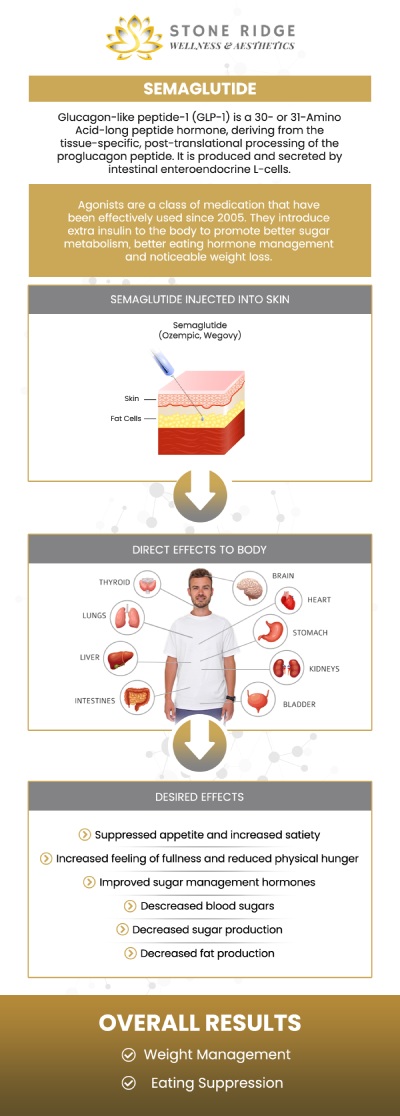
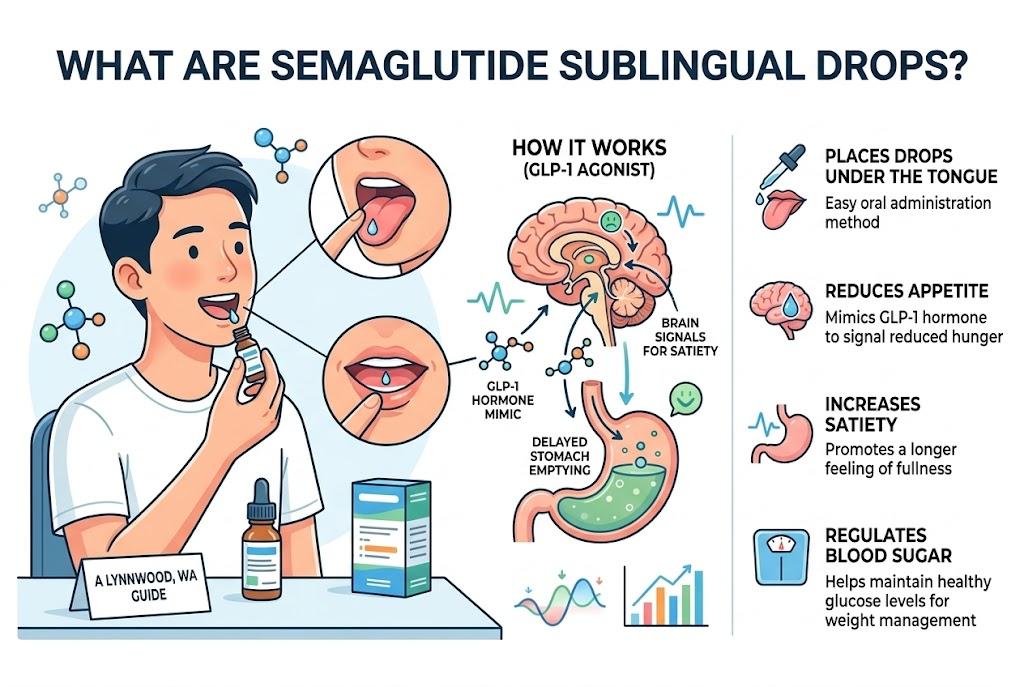
Other stimuli that enhance calcitonin secretion include supraphysiologic concentrations of glucagon (48), 5HT1 receptor agonists (49) gastrin (and pentagastrin) (50), alcohol (51), and exercise (52) and glucagon-like peptide-1 (GLP-1) (53) A detailed discussion of each of these stimuli is beyond the limits of this chapter and the reader is referred to a review on this subject for more detail (54) The finding that glucagon-like peptide-1 (GLP-1) agonists, an effective therapy for type 2 diabetes mellitus, bind to GLP-1 receptors, stimulates CT release and cause MTCs in rodents has stimulated a broad discussion regarding their safety in humans (53)
No significant changes in oral drug absorption, but caution is advised in patients with renal dysfunction
doi: 10.3390/cells10051124 51
Famously known as the beauty peptide GHK-CU (Copper peptide) can have the following benefits: Skin & Anti-Aging Stimulates collagen, elastin, and glycosaminoglycan production Improves skin firmness, thickness, and elasticity Reduces appearance of fine lines and wrinkles Enhances wound healing and skin regeneration Helps normalize skin inflammation and redness Hair Growth & Scalp Health Encourages hair follicle growth and enlargement May reduce hair shedding Improves scalp blood flow and follicle health Often used in hair serums and scalp treatments Tissue Repair & Healing Accelerates wound healing Supports muscle, tendon, and ligament repair Promotes angiogenesis (formation of new blood vessels) Useful in recovery from injuries or procedures Neuroprotective & Brain Support Shown in studies to support nerve regeneration May help protect neurons from oxidative damage Investigated for roles in brain repair and cognitive aging Anti-Inflammatory & Antioxidant Effects Reduces inflammatory cytokines Acts as a powerful antioxidant Helps regulate genes involved in tissue breakdown vs repair Gene Modulation (Unique Benefit) GHK-Cu has been shown to: Turn on genes associated with healing and regeneration Turn off genes linked to inflammation, fibrosis, and tissue degradation This gene-level regulation is one of its most unique properties